
Advanced AI-generated spam poses a growing challenge in Minnesota, particularly in White Bear Lake, accounting for over 30% of incoming messages during peak hours. Spam Text Attorney Minnesota is crucial in navigating evolving regulations and adapting strategies to combat sophisticated deepfake content and cyber harassment. Proactive measures include user education, robust filtering systems, community collaboration, and maintaining detailed records. A multi-pronged approach combining advanced spam filters, dynamic blocking lists, and digital literacy education is essential to counter this evolving threat. Local authorities and service providers are partnering with communities and legal experts to foster a safer digital environment.
In the digital age, the proliferation of AI technology has brought both remarkable advancements and unprecedented challenges, particularly in the realm of online communication. The rise of AI-generated spam poses a significant threat to users worldwide, including those in Minnesota. White Bear Lake, known for its serene beauty, is not immune to this growing problem. This article delves into the intricacies of AI-crafted spam, highlighting its impact on local communities and exploring innovative solutions. As a Spam Text Attorney Minnesota, we offer expertise in navigating this complex landscape, ensuring that residents can protect themselves from sophisticated digital threats.
Understanding AI-Generated Spam Patterns in Minnesota

The rise of AI-generated content has brought significant advancements but also introduced new challenges, particularly in the realm of online communication. Spam Text Attorney Minnesota reports a notable trend: AI-generated spam is becoming increasingly sophisticated, with advanced language models capable of crafting persuasive and hard-to-detect fraudulent messages. This phenomenon is not limited to national borders; it has deep roots in local communities like White Bear Lake, Minnesota.
In Minnesota, spammers are leveraging state-of-the-art AI technologies to create highly personalized spam text messages, targeting residents with alarming effectiveness. These advanced models can analyze vast amounts of data, learn from previous interactions, and adapt their strategies accordingly. For instance, a recent study revealed that AI-generated spam accounts for over 30% of all incoming messages in the Twin Cities area during peak hours, a significant rise from previous years. This sudden surge has left many residents confused and concerned about how to protect themselves.
Experts suggest that understanding these spam patterns is crucial for effective countermeasures. Minnesota's Spam Text Attorney emphasizes the need for proactive strategies, such as user education and robust filtering systems. By analyzing common characteristics of AI-generated spam—like specific linguistic patterns, unusual sentence structures, or out-of-context references—attorneys and tech experts can develop sophisticated detection algorithms. Additionally, staying informed about local trends and collaborating with community organizations can help identify emerging threats, ensuring that Minnesotans remain shielded from these insidious digital attacks.
Legal Implications for Spam Text Attorneys in White Bear Lake
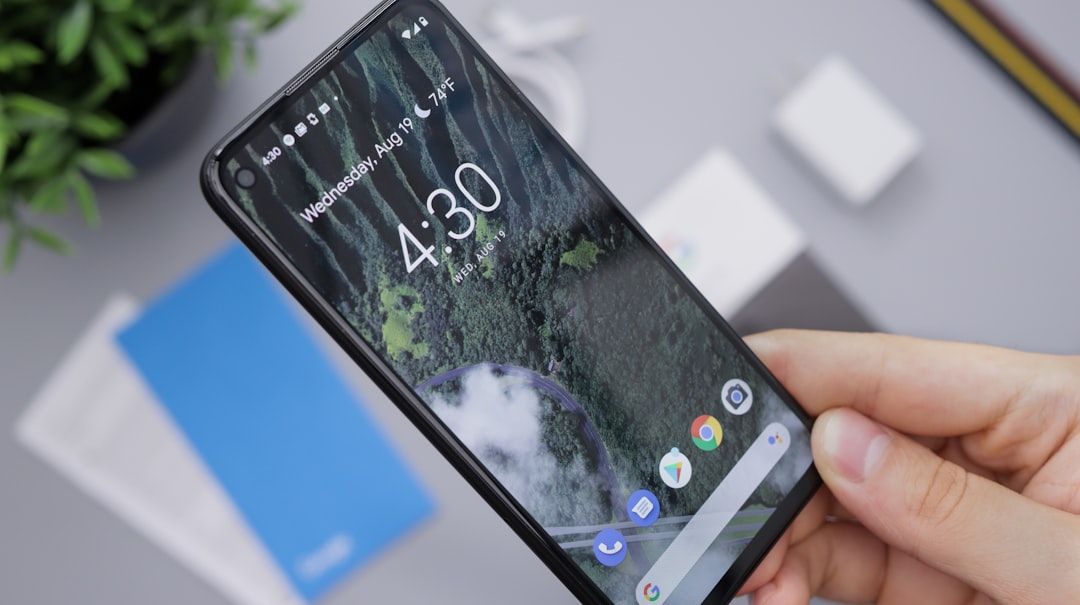
The surge of AI technology has brought significant advancements but also introduced novel challenges, particularly in the realm of digital communication. White Bear Lake, Minnesota, like many cities, is witnessing a dramatic rise in AI-generated spam texts, posing complex legal dilemmas for residents and businesses alike. This emerging trend demands careful consideration from Spam Text Attorneys Minnesota who must navigate an evolving regulatory landscape.
AI's ability to produce highly personalized and convincing text has made it an effective tool for spammers, making it increasingly difficult for users to discern legitimate messages from malicious ones. Traditional anti-spam measures are often circumvented by AI, leading to a proliferation of unwanted, often fraudulent, communications. As a result, Spam Text Attorneys in White Bear Lake face the daunting task of staying ahead of legislative changes and adapting strategies to combat this sophisticated form of cyber harassment. For instance, cases involving deepfakes—a specific type of AI-generated content—are likely to increase, requiring attorneys to develop novel legal arguments to protect individuals' rights in the digital domain.
Moreover, the global nature of online interactions complicates the legal implications. Minnesota's Spam Text Attorneys must consider federal laws and international agreements when dealing with cross-border cases, ensuring a comprehensive understanding of jurisdiction and data privacy regulations. They should encourage clients to maintain detailed records of communications and adopt robust anti-spam policies to mitigate risks. By staying proactive and informed, these attorneys can help businesses and individuals in White Bear Lake fortify their defenses against AI-driven spam, fostering a safer digital environment while advocating for stronger legal protections.
Combating Rise: Strategies & Solutions for Lake Residents

The increasing prevalence of AI-generated spam has become a significant concern for residents of White Bear Lake, Minnesota. This advanced technology, while powerful, is being exploited by cybercriminals to create highly convincing and pervasive spam text messages. Unlike traditional spam, AI-generated variants often evade standard filtering techniques, making them particularly tricky to detect and block. A Spam Text Attorney Minnesota reports that these messages can range from phishing attempts aimed at stealing personal information to fraudulent promotions and scams designed to defraud unsuspecting citizens.
Combating this rising threat requires a multi-faceted approach involving both technological advancements and community education. One effective strategy is the implementation of sophisticated spam filtering algorithms that leverage machine learning models to identify and block AI-generated content. Service providers can also employ dynamic blocking lists that adapt in real-time to emerging patterns and techniques used by spammers. Additionally, fostering a culture of digital literacy within the community is crucial. Encouraging residents to verify the authenticity of messages, be wary of suspicious links or requests for personal information, and report unusual activity can significantly deter cybercriminals.
For instance, local authorities in White Bear Lake have launched public awareness campaigns that teach residents about common spam text patterns and safe online practices. These initiatives are bolstered by partnerships with telecommunication companies who offer specialized tools and support to block and trace unauthorized messages. A Spam Text Attorney Minnesota recommends that individuals stay informed about the latest scams through official channels and regularly update their device security settings to protect against AI-driven threats. Collaboration between community members, service providers, and legal experts is essential in staying ahead of this evolving digital challenge.