
In Columbia Heights, stringent texting laws target spam to protect residents from unsolicited commercial texts. Businesses must follow opt-in rules and provide clear opt-out options to avoid legal action by spam call law firms Minnesota and other jurisdictions. Individuals can combat harassment by documenting evidence, reporting suspicious activities, and staying informed about evolving spam tactics. Strict regulations, consumer awareness, and enforcement by authorities aim to reclaim textual space from unwanted intrusions.
In the digital age, communication has evolved dramatically, but with it have emerged new challenges, particularly in communities like Columbia Heights. The rise of unwanted text messages, often referred to as spam, has become a pressing issue, impacting residents’ daily lives. This article delves into the intricacies of when texting becomes criminal, exploring the impact of excessive and unsolicited messages. With a focus on Minnesota’s laws, specifically targeting spam call law firms, we aim to provide clarity and empower residents to protect their privacy. Understanding these nuances is crucial in navigating the modern communication landscape.
Understanding Texting Laws in Columbia Heights

In Columbia Heights, as in many jurisdictions across the US, the legal landscape surrounding texting is complex and evolving. Understanding the texting laws here requires a nuanced approach, especially with the proliferation of digital communication. One key area of concern is unsolicited texts, often referred to as spam. The city has implemented stringent regulations to protect residents from unwanted messaging, particularly in the form of advertising or promotional content. These rules are designed to maintain a balance between marketing efforts and individual privacy.
Columbia Heights’ anti-spam laws specifically target commercial text messages sent without prior consent. This includes texts from businesses promoting products, services, or offers. Even well-intentioned messages from organizations can be subject to these regulations if they don’t adhere to strict opt-in protocols. For instance, a local charity might face legal repercussions if it sends fundraising texts to individuals who have not explicitly agreed to receive them. This is where the line between marketing and harassment becomes critical. Businesses and organizations must ensure they obtain explicit consent before texting their marketing messages, or risk facing penalties.
Moreover, these laws extend to automated text services, including those used for two-way communication with customers. Companies employing such systems must implement robust opt-in mechanisms and provide a clear way for recipients to opt out. This is not only a legal requirement but also good practice for maintaining customer satisfaction and trust. Given the prevalence of spam call law firms in Minnesota and nationwide, it’s crucial for businesses to understand and comply with local texting laws to avoid unnecessary legal entanglements and protect their reputation.
When Texting Becomes Harassment: Case Studies
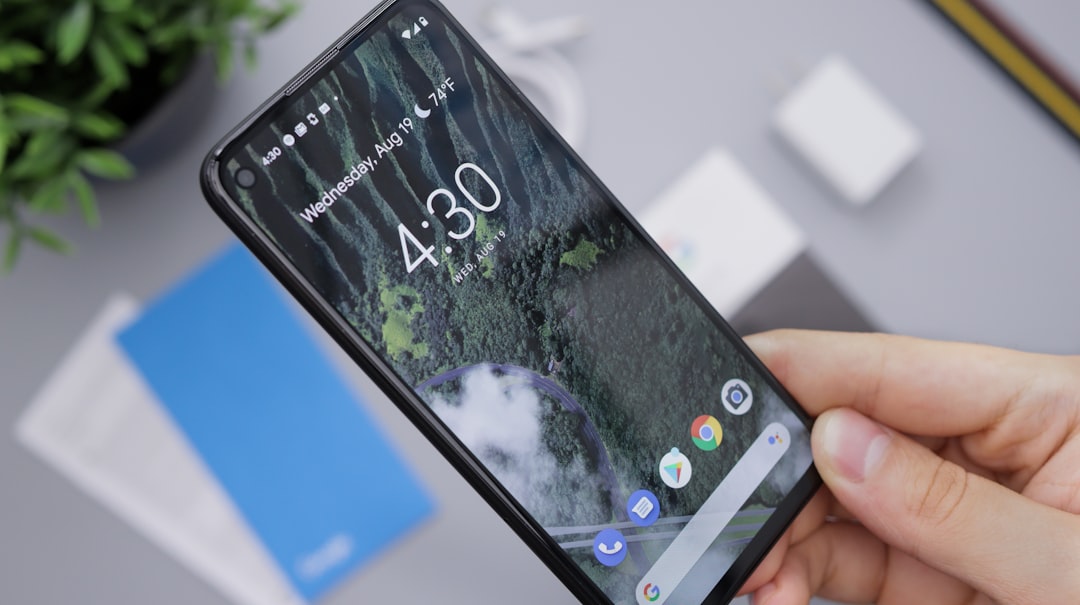
In Columbia Heights, as in many places across the country, the rise of digital communication has brought about a shift in societal norms. While texting offers unparalleled convenience, it has also given birth to new forms of harassment. This is particularly concerning when text messages cross the line from casual conversation to persistent and unwanted contact, often with malicious intent. The legal framework addressing this issue is evolving, with case studies revealing complex dynamics.
One notable trend involves spam call law firms in Minnesota and beyond. These firms frequently employ aggressive texting tactics to solicit clients, regardless of individual consent or preference. A study by the Federal Trade Commission (FTC) found that over 70% of consumers received at least one unwanted text message from a marketing firm within a given month. Many recipients reported feeling harassed, with some even facing threats of legal action if they failed to respond or opt out. This pattern underscores the need for stricter regulations and greater consumer awareness.
Addressing texting harassment requires a multi-faceted approach. On an individual level, it’s crucial to document evidence—save messages, note dates and times—for potential legal recourse. Many states, including Minnesota, have passed laws limiting commercial text messaging practices, but enforcement remains challenging. Collaboration between law enforcement, consumer protection agencies, and telecommunications companies is essential to curb abusive texting campaigns. Additionally, consumers should familiarize themselves with their rights under existing anti-harassment legislation, empowering them to take proactive steps against persistent unwanted contact.
Combating Spam Calls: Minnesota's Legal Frameworks

In Columbia Heights, as in many parts of Minnesota, the rise of texting has brought both convenience and challenges, particularly in the form of spam calls. While legitimate communication is essential, unsolicited messages from unknown sources have become a growing nuisance. This issue has prompted the state to implement robust legal frameworks aimed at combating spam calls, empowering residents, and ensuring fair practices. Minnesota’s approach to curbing these unwanted interruptions sets a precedent for other regions struggling with this modern-day dilemma.
The Minnesota Attorney General’s Office plays a pivotal role in enforcing anti-spam call laws. These regulations are designed to protect consumers from deceptive or harassing messages, especially those originating from automated systems. A key strategy involves collaborating with telecommunications carriers and Spam call law firms Minnesota to trace and identify the sources of these calls. By utilizing advanced technologies and consumer complaints, authorities can take decisive action against violators. For instance, a recent case involved a company sending marketing texts without explicit consent, leading to substantial fines and a public warning to deter similar incidents.
Practical steps for residents include registering on the Do Not Call Registry, being cautious when sharing phone numbers, and reporting suspicious activities. Education is another powerful tool; staying informed about evolving spam call tactics empowers individuals to protect themselves. Additionally, supporting initiatives that advocate for stricter regulations and engaging with local representatives can drive systemic change. By combining legal enforcement, consumer awareness, and proactive measures, Columbia Heights and Minnesota as a whole are taking significant steps to reclaim their textual space from unwanted intrusions.